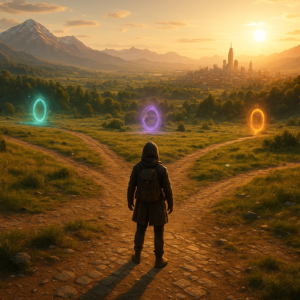
Cast your mind back to the early 2010s. A gamer sitting alone in their bedroom, playing through a campaign, had virtually no way to share that experience beyond describing it to a mate the next day. Fast forward to today, and millions of people tune in simultaneously to watch someone else play a video game — cheering, chatting, and building communities around shared virtual experiences. Game streaming hasn’t just changed how we consume entertainment; it has quietly reshaped culture in ways that extend far beyond the screen.
From the language we use to the celebrities we follow, from the music we listen to to the brands we buy, the fingerprints of game streaming are everywhere. This article breaks down exactly how that happened, why it matters, and where things are headed.
What Is Gaming Culture, and How Did It Evolve?
Gaming culture refers to the shared practices, values, language, and social norms that have emerged among people who play video games. It’s not a monolithic thing — it spans competitive esports fans, casual mobile gamers, tabletop enthusiasts, and everyone in between. But what binds it together is a sense of community built around interactive digital experiences.
Historically, gaming culture was largely insular. Arcades in the 1970s and 80s created physical gathering points, and early internet forums allowed fans to connect over dial-up connections. But the culture remained relatively niche — something enthusiasts did quietly, often dismissed by mainstream society as a solitary, even antisocial, hobby.
That narrative began to crack with the rise of YouTube Let’s Play videos in the late 2000s, and it shattered entirely when Twitch launched in 2011. Suddenly, gaming was a spectator sport. People weren’t just playing — they were performing, and audiences were turning up in droves to watch.
The Numbers That Tell the Story
The scale of game streaming today is genuinely staggering. According to Streamlabs and Stream Hatchet data, billions of hours of gaming content are watched across platforms like Twitch, YouTube Gaming, and Facebook Gaming every single quarter. Twitch alone reported over 140 million unique monthly visitors at its peak. The global games streaming market was valued at over $11 billion in 2021 and has continued to grow substantially since.
These aren’t niche numbers. They rival — and in some demographics surpass — traditional television viewership. The culture that has grown up around this phenomenon is equally substantial.
How Game Streaming Created a New Cultural Language
One of the most fascinating impacts of game streaming on culture is linguistic. Gaming has always had its own vocabulary — “respawn,” “nerf,” “grind” — but streaming amplified and exported these terms into everyday life at an extraordinary pace.
Words and phrases born in gaming streams now appear in mainstream conversation, advertising copy, and even journalism. Consider how widely “GG” (good game), “no cap,” “clutch,” or “it’s giving” have migrated from gaming chat rooms and Twitch streams into daily speech — particularly among younger generations. Many people using these phrases have never picked up a controller in their lives.
Emotes — the small expressive icons used in Twitch chat — have developed into their own visual language. “Kappa,” the iconic sarcasm emote, is understood by millions. “PogChamp” became shorthand for genuine excitement or disbelief. These tiny images carry layers of cultural meaning that took years to develop organically within streaming communities.
Meme Culture and the Streaming Pipeline
Game streaming has become one of the most powerful pipelines for meme creation and distribution in the internet age. A funny moment on a live stream gets clipped, shared on Reddit or Twitter, and within hours it’s everywhere. Entire meme formats have originated from specific streamers or gaming moments — and many have escaped the gaming context entirely to become broadly understood cultural references.
This speed of cultural production is genuinely new. Traditional media — film, television, music — operates on production cycles of months or years. Game streaming generates culturally resonant moments in real time, every single day.
The Rise of Streamers as Cultural Figures
Perhaps no single aspect of game streaming’s cultural impact is more visible than the elevation of streamers to celebrity status. Figures like Ninja, Pokimane, xQc, and Valkyrae aren’t just popular online personalities — they are genuine cultural phenomena with the reach and influence of traditional A-list celebrities.
Ninja’s appearance on the cover of ESPN Magazine in 2019 was a watershed moment. It signalled that mainstream media could no longer ignore the cultural weight of streaming. Since then, streamers have appeared in Hollywood films, headlined music videos, launched clothing lines, partnered with major sports franchises, and been featured in Time magazine’s most influential people lists.
Influence on Youth Identity and Aspiration
For younger generations, streamers have become aspirational figures in the same way footballers or pop stars were for previous generations. Surveys consistently show that significant percentages of children aged 8–16 list “becoming a YouTuber or streamer” among their top career aspirations. This isn’t mere fantasy — it reflects a genuine cultural shift in what success looks like and who gets to define it.
This has broader implications for how young people think about entrepreneurship, personal branding, and the relationship between work and identity. Streaming has helped normalise the idea that passion-led, self-directed careers are viable — a cultural message with real long-term consequences.
Game Streaming’s Impact on Music, Fashion, and Entertainment
The cultural tentacles of game streaming reach well beyond gaming itself. The music industry was one of the first traditional sectors to sit up and take notice. Artists began to see streaming platforms — and particularly gaming streams — as powerful promotional channels. When rapper Drake joined Ninja for a Fortnite stream in 2018, breaking concurrent viewership records, it was a clear signal that gaming audiences were valuable, engaged, and culturally significant.
Since then, entire music genres have been born or dramatically amplified through gaming culture. Phonk, a subgenre of hip-hop, found a massive new audience through gaming content on TikTok and streaming platforms. Video game soundtracks have become legitimate prestige musical products — composers like Yasunori Mitsuda and Koji Kondo are now celebrated with the same reverence as classical composers.
Fashion and Streetwear
Fashion has been similarly transformed. Gaming-adjacent streetwear brands have exploded in popularity, and luxury fashion houses have rushed to collaborate with game developers and streamers. Gucci partnered with The North Face and released a gaming collection. Louis Vuitton designed in-game skins for League of Legends. Balenciaga created an entire collection inside Fortnite.
These aren’t novelties — they represent a recognition that gaming culture carries genuine aspirational and aesthetic value that mainstream fashion is eager to absorb and monetise.
Community, Belonging, and Social Norms in Streaming Culture
At its heart, game streaming is a social phenomenon. The communities that form around individual streamers — often called “fandoms” or simply referred to by names the streamer designates — function as genuine social groups with their own norms, in-jokes, rituals, and hierarchies.
For many viewers, particularly those who may struggle with social connection in offline life, these communities provide real belonging. Research into parasocial relationships — the one-sided emotional bonds audiences form with media figures — has found that streaming creates unusually intense versions of these connections due to the interactive nature of live chat and the perceived intimacy of the format.
The Double-Edged Sword of Streaming Communities
This community-building power is genuinely valuable, but it comes with complications. Streaming communities have also been vectors for toxic behaviour — harassment campaigns, hate raids, exclusionary gatekeeping, and the amplification of harmful ideologies. The culture of anonymity and real-time interaction that makes streaming communities feel exciting can also make them difficult to moderate and easy to weaponise.
Understanding this tension is essential to understanding gaming culture honestly. The same features that make streaming culturally powerful and socially meaningful are features that require careful navigation.
Game Streaming and the Democratisation of Entertainment
One of the most genuinely transformative aspects of game streaming is how radically it has lowered the barriers to cultural participation. In traditional entertainment industries, reaching an audience required significant financial investment, institutional gatekeeping, and often geographic proximity to industry centres like London or Los Angeles.
Streaming changed this equation dramatically. A teenager in a small town with a decent internet connection, a gaming PC, and a compelling personality can build an audience of tens of thousands. Creators from demographics historically underrepresented in mainstream media have used streaming to find audiences and build careers on their own terms.
This democratisation is imperfect — algorithmic platforms still advantage certain types of content and creators, and the economics of streaming remain challenging for all but the top tier. But the directional shift toward broader participation in cultural production is real and significant.
What Does the Future of Game Streaming Culture Look Like?
Several trends suggest that game streaming’s cultural influence will continue to deepen rather than diminish. The integration of streaming with virtual reality and augmented reality environments is already underway, promising even more immersive shared experiences. Cloud gaming is making high-quality gaming accessible without expensive hardware, which will expand the potential audience significantly.
The lines between streaming, social media, and gaming are blurring. Platforms like Roblox and Fortnite function simultaneously as games, social spaces, and entertainment venues — hosting virtual concerts, film screenings, and live events. This convergence suggests that gaming culture won’t remain a distinct cultural category for much longer. It will simply become culture.
Artificial intelligence is beginning to reshape content creation within streaming as well, generating new ethical questions and creative possibilities. How communities respond to these changes will itself be a cultural story worth watching.
Conclusion
The impact of game streaming on culture is broad, deep, and still unfolding. From the language we speak and the celebrities we admire, to the fashion we wear and the communities we belong to, streaming has woven itself into the fabric of contemporary life in ways that would have seemed extraordinary just fifteen years ago.
It has democratised cultural production, created new forms of social belonging, exported an entirely new vocabulary into mainstream usage, and elevated gaming from a solitary pastime to one of the most significant cultural forces of the digital age. Understanding these shifts isn’t just interesting for gamers — it’s essential context for anyone trying to make sense of modern culture in its fullest sense.
The story is far from over. If anything, the pace of change is accelerating, and the most significant cultural transformations driven by game streaming may still be ahead of us.