
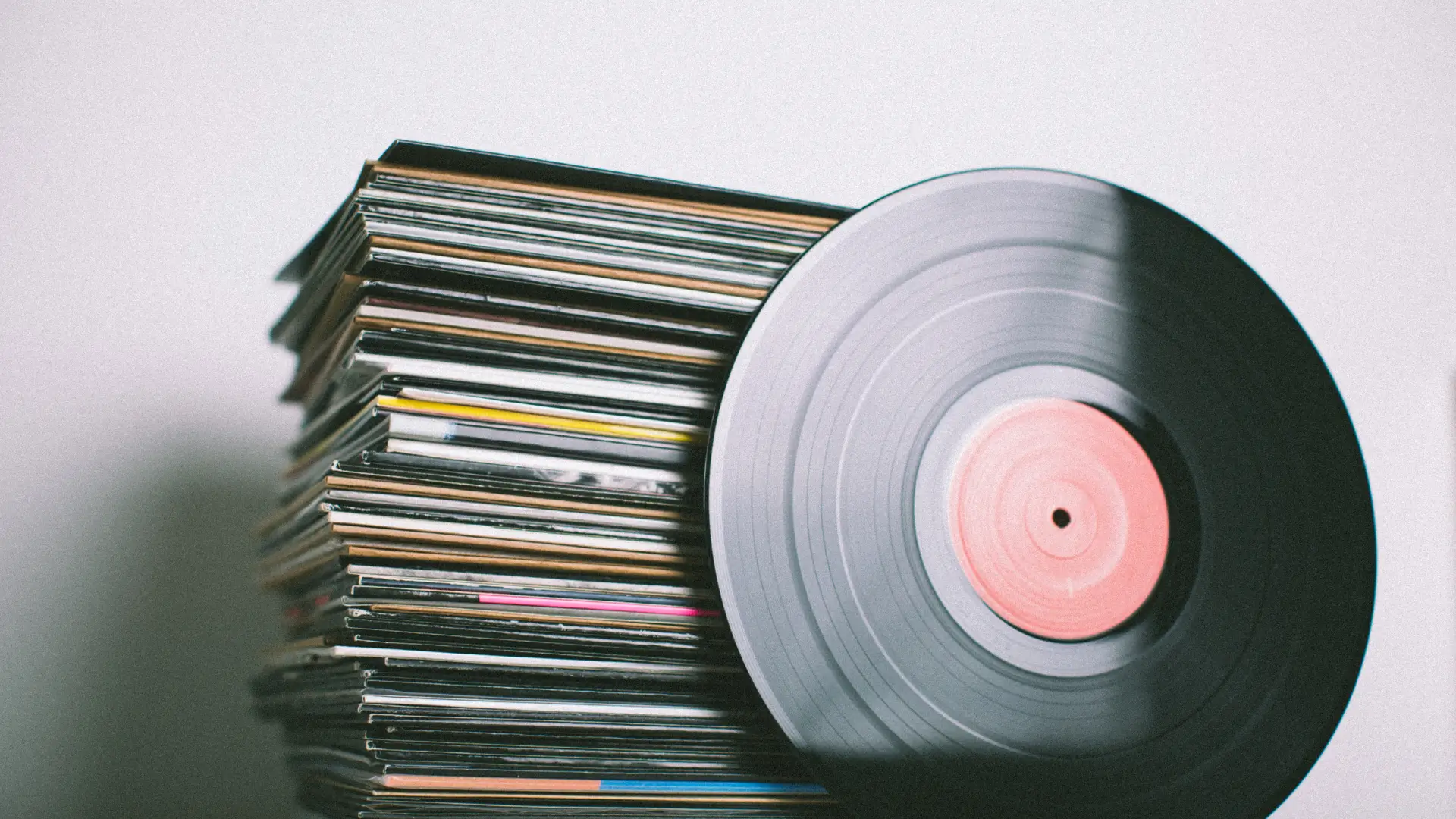
The Birth of a Music Revolution
When vinyl records first arrived in the mid-20th century, they didn’t just change the way music was played — they transformed how it was experienced. Before vinyl, people relied on live performances or fragile shellac discs that offered poor sound quality and short playtimes. Vinyl was revolutionary because it allowed longer recordings, clearer audio, and a more immersive experience. Suddenly, fans could enjoy entire symphonies, jazz sessions, or rock albums without interruption. This wasn’t just about convenience — it was about a deeper connection with music.
Album Art: The First Visual Experience
One of vinyl’s greatest contributions to music culture was the rise of album art. The 12-inch record sleeve became a canvas for creativity, turning music into a visual experience even before the first note played. Iconic covers like The Beatles’ Sgt. Pepper’s Lonely Hearts Club Band or Pink Floyd’s The Dark Side of the Moon weren’t just packaging — they were art pieces that told a story. Collectors today treasure original pressings not only for the music but also for the visual artistry, which has become as iconic as the tracks themselves.
Listening as a Ritual
During the golden age, listening to vinyl was an event. Families gathered around turntables, friends hosted record nights, and music became something to savor rather than consume passively. The act of sliding a record from its sleeve, gently placing it on the turntable, and hearing the soft crackle before the first note was all part of the magic. This ritualistic element is what many enthusiasts still love today — vinyl forces listeners to slow down and truly engage with the music, something streaming rarely encourages.
Cultural Movements and Vinyl’s Role
Vinyl didn’t just reflect culture — it helped shape it. In the 1960s and 70s, records became a symbol of rebellion and self-expression. The counterculture embraced vinyl as a way to spread new ideas, whether it was through protest songs, psychedelic rock, or revolutionary jazz. Owning certain albums became a way of signaling identity — you weren’t just listening to music, you were part of a movement. Records connected fans to artists in a way that felt intimate and meaningful.
The Rise of Collectibility
As the music industry grew, so did the notion of limited editions, colored vinyl, and special pressings. Collectors began hunting for first editions, misprints, and rare releases. The scarcity of certain records only added to their mystique. A rare pressing wasn’t just music — it was a piece of history. This collectible nature gave vinyl staying power, ensuring it remained relevant even after the arrival of tapes, CDs, and eventually digital streaming.
The Decline and Unexpected Comeback
By the late 1980s and early 1990s, vinyl faced extinction. Cassette tapes and CDs promised portability and durability, and many declared vinyl obsolete. Record stores closed, pressing plants shut down, and vinyl became a niche hobby for audiophiles. But something unexpected happened — nostalgia kicked in. By the late 2000s, vinyl saw a major resurgence. Younger generations, raised on digital music, discovered the warmth and tactile pleasure of records. Artists began releasing limited vinyl editions, and suddenly turntables were cool again.
Why Vinyl Still Matters
Today, vinyl is more than just a retro trend — it’s a statement. Owning records means valuing music as an experience, not just a background noise. Collectors love the analog sound, which feels warmer and more “real” compared to compressed digital files. Others simply enjoy the physical connection to music: flipping the record, admiring the sleeve art, and building a collection that feels personal. Vinyl has become a bridge between past and present, allowing new listeners to experience music the way previous generations did.
The Legacy of the Golden Age
The golden age of vinyl left behind more than just classic records — it created a culture. It taught listeners that music could be both art and artifact, something to engage with fully. Whether you’re a serious collector or just someone who loves the crackle of a record on a quiet evening, vinyl represents a return to intentional listening. Its legacy continues to inspire musicians, designers, and fans, proving that even in a digital world, analog magic still has a place.